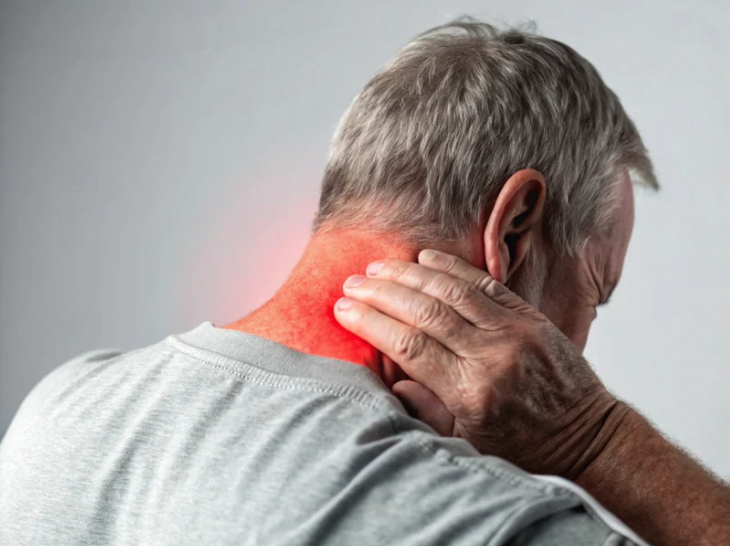
After a car accident, it’s extremely common to feel only mild soreness or think, “I’m probably fine.”
But the truth is this:
Small symptoms often hide bigger injuries.
Adrenaline spikes, muscle guarding, stress hormones, and shock can delay pain for hours or even days.
Many people only realize something is wrong after stiffness, headaches, or sharp pain suddenly show up later.
Ignoring early signs can lead to:
- Chronic neck or back pain
- Persistent headaches
- Reduced mobility
- Lingering inflammation
- Long-term tissue damage
This is why early evaluation is so important — even if you feel “just a little sore.”
Why Pain Is Often Delayed After an Accident
1. Adrenaline and Endorphins Mask Pain
During a crash, your body enters a fight-or-flight state. This temporarily numbs pain, even when tissue damage has already occurred.
2. Inflammation Builds Over Time
Soft tissue injuries worsen as swelling develops. What starts as mild stiffness can turn into intense soreness 12–48 hours later.
3. Muscles Tighten to Protect Injured Areas
Your body automatically creates muscle guarding, leading to delayed stiffness, spasms, and reduced mobility.
4. Whiplash Symptoms Are Often Slow to Appear
Whiplash symptoms — headaches, neck pain, and dizziness — frequently show up 2–4 days later, not immediately.
5. Joint Restrictions Aren’t Always Painful at First
Spinal and rib joints may become restricted during impact, but the compensations they create show up later as pain or imbalance.
The Risks of Ignoring “Minor” Post-Accident Pain
Many people tough it out or hope the soreness goes away — but untreated injuries can progress into long-term problems.
Chronic Neck or Back Pain
Small joint restrictions or soft tissue injuries can snowball into persistent, daily discomfort.
Headaches or Migraines
Neck tension, muscle strain, or whiplash often triggers headaches that escalate over time.
Limited Range of Motion
Untreated inflammation and scar tissue formation decreases mobility and flexibility.
Nerve Irritation
Disc irritation or joint swelling can compress nerves, causing tingling or radiating pain.
Compensation Patterns
Your body adapts in the wrong ways — leading to new pain in the hips, shoulders, or low back.
Early treatment helps prevent these long-term issues.
Common “Minor” Symptoms That Should Not Be Ignored
Even if they seem small, these are signs of deeper injury:
- Mild neck stiffness
- Soreness between the shoulder blades
- Light headaches
- “Tight” lower back
- Mild dizziness
- Tenderness when turning or bending
- Pain only when waking up
- Clicking or popping sensations
Many patients tell us, “I didn’t think it was a big deal,” only to realize later that these early signs were warnings.
How Chiropractic Care Helps You Recover Quickly
Chiropractic care is one of the most effective approaches for early post-accident symptoms because it targets the root causes:
✔ Restores Joint Alignment
Reduces pressure on irritated nerves and improves mobility.
✔ Decreases Inflammation
Gentle adjustments improve circulation and support natural healing.
✔ Relieves Muscle Tension
Helps calm muscle guarding and reduce painful spasms.
✔ Prevents Scar Tissue Formation
Early treatment leads to better long-term healing and less stiffness.
✔ Supports the Nervous System
Improves communication between muscles, joints, and the brain.
✔ Complements Massage + Rehab
At Crash Care Clinics, chiropractic care is integrated with massage therapy and movement rehab for complete recovery.
Portland’s PIP Insurance Covers Early Treatment
One of the biggest advantages for Oregon patients:
Your PIP auto insurance covers chiropractic care, massage therapy, imaging, and rehab — regardless of fault.
You don’t need:
- A referral
- A copay
- To prove who caused the crash
You just need your claim number, and we take care of the rest. Learn more about PIP insurance.
When Should You Get Checked After an Accident?
As soon as possible — ideally within the first 72 hours.
But even if it has been days or weeks, it’s still important to get evaluated.
Conclusion: Don’t Wait for “Mild” Pain to Become a Major Problem
Delayed or minor pain after a car accident is extremely common — and it often signals deeper issues that can get worse without care.
A quick evaluation can make a massive difference in your long-term recovery.
Crash Care Clinics specializes in identifying hidden injuries early and helping you heal fully and safely.
Schedule Your Evaluation Now
Start your recovery before minor symptoms turn into long-term pain.
Common Questions and Answers
Q: Why does minor pain after a car accident sometimes show up hours or days later?
A: After a crash, adrenaline and shock can mask pain for several hours or even days. Soft-tissue injuries, joint irritation, and ligament sprains often inflame gradually, which is why symptoms like stiffness, headaches, or soreness may appear long after the accident.
Q: What types of injuries can cause “minor” pain that becomes more serious later?
A: Whiplash, muscle strains, joint sprains, disc irritation, and nerve inflammation often start with mild discomfort. Without proper treatment, these injuries can progress into chronic pain, reduced mobility, or muscular imbalances.
Q: When should I see a chiropractor or medical provider after a car accident?
A: Even if symptoms seem mild, it’s best to be evaluated within the first 24–72 hours. Early assessment helps identify hidden injuries, reduces inflammation, and documents your condition for insurance. Waiting too long can worsen symptoms and delay recovery.
Q: Can minor pain after a crash indicate a more serious underlying issue?
A: Yes. Small, nagging symptoms can be early signs of deeper issues such as ligament sprains, disc involvement, or joint dysfunction. These problems often respond well to early treatment but may become difficult to manage if ignored.
Q: Why is early chiropractic care helpful for minor post-accident pain?
A: Chiropractors can identify subtle motion restrictions, muscle irritation, and early disc or joint changes before they escalate. They can also provide targeted treatment, order imaging when needed, and make referrals to massage therapy or other providers to prevent long-term problems.
Q: Is minor pain after a car accident covered by Oregon PIP insurance?
A: Yes. Oregon PIP covers chiropractic, massage therapy, imaging, and rehab for up to two years or until your policy limits are reached—regardless of fault. You can start treatment as soon as you open a claim and have a claim number.


Leave a Reply