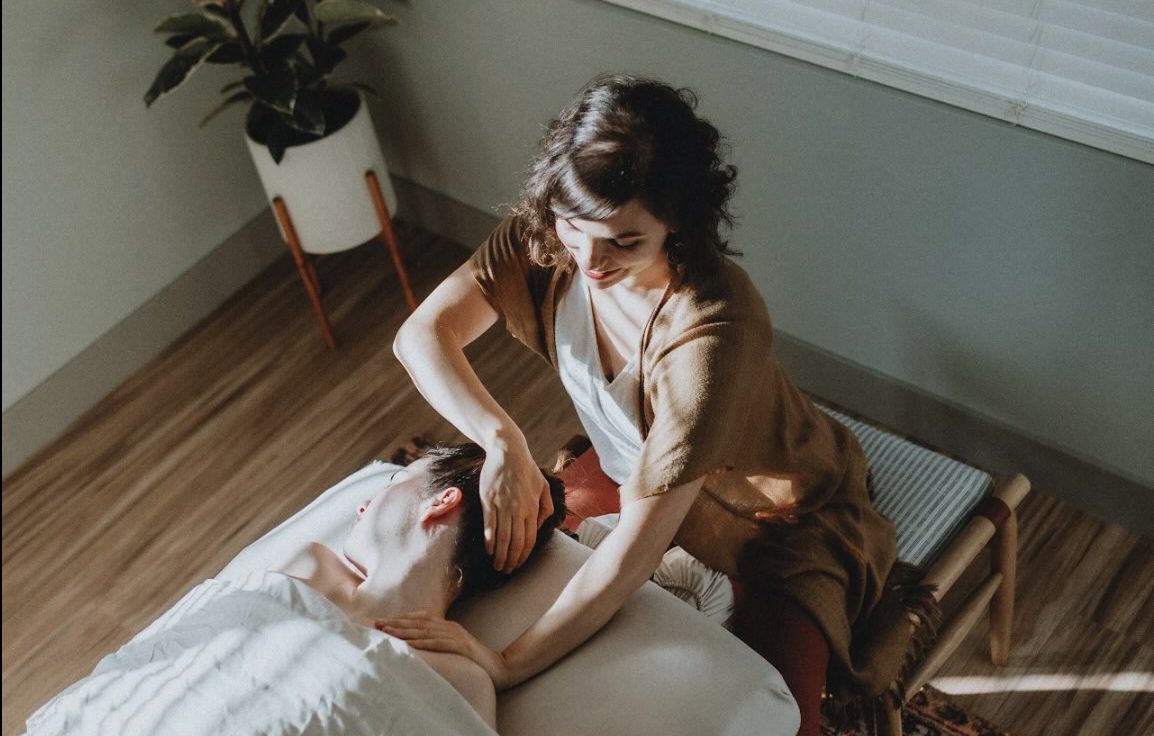
Short answer: yes — Oregon PIP covers massage therapy when it’s medically necessary as part of your auto-injury treatment plan. The key phrase is “medically necessary.” Maintenance massage and spa-style relaxation work aren’t covered. Massage that’s part of a documented treatment plan for crash injuries is.
What Oregon law says
ORS 742.524 lists the categories of medical expenses PIP covers, including “medical, hospital, dental, surgical, ambulance, and prosthetic services” that are “reasonable and necessary” for treatment of injuries from a motor vehicle accident.
Massage therapy provided by a Licensed Massage Therapist (LMT) as part of a clinical treatment plan falls under “medical services” — same way physical therapy, chiropractic adjustments, and rehabilitative exercise do.
What makes massage “medically necessary”
For PIP to cover the bills, the documentation has to show:
- A diagnosis tied to the crash. Whiplash, cervical strain, thoracic muscle spasm, lumbar strain, myofascial pain — diagnoses that massage demonstrably helps.
- A treatment plan that includes massage by name. Your chiropractor or treating provider writes a plan that prescribes massage for specific therapeutic goals (reduce muscle spasm, improve circulation to injured tissue, restore range of motion).
- A licensed practitioner. The massage must be performed by an LMT — in Oregon, that means licensed by the Oregon Board of Massage Therapists (OBMT). Massage performed by someone without a license isn’t billable as medical care.
- Progress documentation. The LMT documents what was treated, technique used, duration, patient response, and progress toward treatment goals. PIP carriers can deny bills that look like “comfort care” without a clinical record.
What’s typically covered
- Deep tissue / therapeutic massage targeting injured muscle groups
- Trigger point release for myofascial pain syndromes after whiplash
- Soft-tissue mobilization to break up scar tissue
- Myofascial release for chronic post-crash tension
- Cupping or instrument-assisted soft tissue mobilization (sometimes — depends on carrier)
- Sessions paired with chiropractic or PT as part of a unified plan
What’s typically not covered
- Relaxation/Swedish massage with no clinical indication
- Sessions long after treatment goals were met (PIP pays for medically necessary care; once you’re at maximum medical improvement, it stops applying)
- Massage with no diagnosis tying to the crash
- Spa or wellness-package services even if your reason is “I got rear-ended last year”
- Massage from someone who isn’t a licensed LMT in Oregon
How frequency works
A typical post-crash massage prescription looks like 2-3 sessions per week for the first 4-6 weeks, tapering to 1-2/week as you improve, ending around 8-12 weeks for most soft-tissue injuries. PIP will cover that cadence if the records support it.
If your massage frequency stays at 2-3/week for 3 months with no documented improvement, expect the PIP carrier to push back. They may request an Independent Medical Examination (IME) or simply deny further payments.
The PIP carrier’s review process
Bills submitted to PIP are reviewed for “reasonableness and necessity.” The carrier has 60 days to pay or deny in writing once they receive notice of a bill — after which the bill is presumed reasonable under ORS 742.524(1)(a). This is a strong patient protection in Oregon.
If a carrier denies a massage bill specifically, it’s usually because:
- The documentation doesn’t tie the session to a crash-related diagnosis
- The frequency exceeds what’s typical for the injury
- The treatment plan didn’t name massage explicitly
- The provider isn’t an LMT (or their license number isn’t on the claim)
- The dates of service fall outside the active treatment window
Your provider’s billing department appeals these. Most reasonable denials are reversed once additional documentation is supplied.
How we coordinate massage at Crash Care Clinics
We’re co-located with Portland Wellness Collective, which means we have LMTs on site who specialize in post-MVA work — including the team at Ritual Massage & Bodywork, who specifically focus on car-accident massage and lymphatic drainage. When massage is appropriate for a patient’s plan, we coordinate it directly — same building, shared records, single PIP claim.
For new patients:
- The first visit is a chiropractic exam and treatment plan
- If massage is appropriate, the LMT is named in the plan from day 1
- All sessions are documented clinically — not as wellness visits
- PIP is billed directly; no out-of-pocket cost
Call (503) 567-2981 if you’ve been in a crash and want a same-day evaluation that includes massage if it’s clinically indicated.
Related guides
- Oregon PIP Insurance: The Complete Guide
- How Long Do I Have to File a PIP Claim?
- What’s the Difference Between PIP and BIL Coverage?
- Your First Chiropractor Visit After a Car Accident
This page is general information about Oregon PIP and massage therapy, not medical or legal advice. Coverage decisions are made by your PIP carrier based on your specific medical documentation.


Leave a Reply