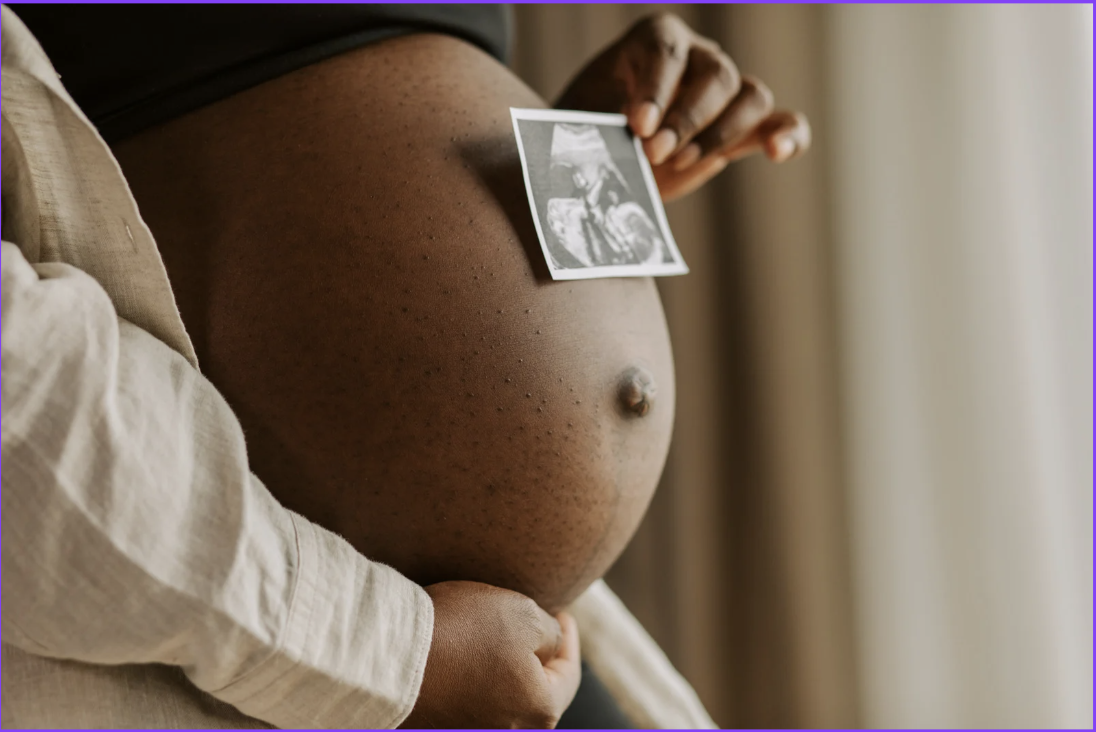
Back, hip, and pelvic pain are extremely common after childbirth. Many people assume these symptoms are something they just have to “push through,” but postpartum pain is real, multifactorial, and treatable.
If you’re considering chiropractic care after childbirth, it’s important to understand what actually helps, what doesn’t, and what kind of chiropractor is most appropriate for postpartum recovery.
Why pain is common after childbirth
Pregnancy and delivery place significant demands on the body. After childbirth, pain often reflects a combination of factors rather than a single structural problem.
Common contributors include:
- Changes in muscle coordination and strength, especially in the core, hips, and pelvic floor
- Ligament laxity that persists for months after delivery
- Load intolerance, as the body adapts to lifting, feeding, carrying, and sleep deprivation
- Postural strain, especially from feeding positions and prolonged holding
- Deconditioning, particularly if activity levels dropped during pregnancy
Importantly, postpartum pain is not simply a problem of “bones being out of place.” Modern research supports a rehabilitation-focused approach, rather than a pure alignment model.
What treatments are supported by evidence?
Research and clinical guidelines consistently support conservative, movement-based care as first-line management for postpartum musculoskeletal pain.
Approaches with the strongest support include:
- Graded exercise and strengthening, particularly for the trunk, hips, and glutes
- Pelvic floor rehabilitation, when indicated
- Education and load management, helping patients return to activity safely
- Manual therapy, used judiciously for short-term symptom relief
- Multidisciplinary care, when symptoms are persistent or complex
Passive treatments alone rarely provide lasting benefit. The most effective care plans combine symptom relief with active rehabilitation.
Can chiropractic care help after childbirth?
Yes — when done appropriately.
There are chiropractors who specialize in postpartum and perinatal care, and when their approach is rehab-informed and patient-specific, chiropractic care can be a valuable part of postpartum recovery.
Chiropractic may be helpful when it includes:
- A thorough assessment, not assumptions about “misalignment”
- Manual therapy to reduce pain and improve short-term movement tolerance
- Rehabilitation and strengthening, not just adjustments
- Coordination with pelvic floor physical therapy when needed
- Clear boundaries, recognizing when referral is appropriate
When chiropractic is used this way — as supportive care within a broader recovery plan — it can help patients move more comfortably, reintroduce activity, and regain confidence in their bodies.
What to be cautious about
Not all postpartum chiropractic care is the same.
Be cautious of providers who claim:
- That the pelvis must be “realigned” after childbirth
- That adjustments alone will correct postpartum pain
- That pelvic floor therapy or rehab is unnecessary
- That symptoms persist because the spine is “out of place”
Postpartum recovery is not a one-adjustment problem, and care that ignores strengthening, coordination, and load tolerance is unlikely to produce lasting results.
When pelvic floor physical therapy is important
Pelvic floor physical therapy plays a crucial role in postpartum care, especially when symptoms include:
- Pelvic heaviness or pressure
- Pain with intercourse
- Urinary leakage or urgency
- Tailbone pain
- Difficulty coordinating breathing and core engagement
A chiropractor who specializes in postpartum care should be comfortable referring to or collaborating with pelvic floor physical therapists when indicated.
This collaboration improves outcomes — it doesn’t weaken chiropractic care.
What a good postpartum care plan looks like
A well-designed postpartum care plan typically includes:
- Assessment of movement patterns, strength, and symptom triggers
- Short-term pain relief strategies to improve tolerance
- Progressive strengthening, tailored to postpartum demands
- Education around posture, lifting, and recovery timelines
- Referrals, when symptoms fall outside conservative scope
This approach respects both the complexity of postpartum recovery and the patient’s long-term health.
When to seek further evaluation
You should seek medical evaluation if postpartum pain is:
- Worsening instead of improving over time
- Associated with numbness, weakness, or bowel/bladder changes
- Severe, constant, or limiting basic function
- Accompanied by unexplained fever or systemic symptoms
Postpartum pain is common — but it should not be ignored.
Final thoughts
Chiropractic care can be a good option after childbirth, especially when provided by clinicians who specialize in postpartum care and integrate rehabilitation, strengthening, and appropriate referrals.
The most effective care is not about “fixing alignment,” but about supporting recovery, restoring capacity, and helping people move confidently again.
Common Questions and Answers
Q: Can a chiropractor help with postpartum back or pelvic pain?
A: Yes, chiropractic care may help some people after childbirth—especially when it includes a thorough exam, symptom-guided manual therapy, and a rehab plan that rebuilds strength and movement tolerance. It’s best viewed as supportive care alongside exercise-based recovery, and sometimes pelvic floor physical therapy when indicated.
Q: Are there chiropractors who specialize in postpartum care?
A: Yes. Some chiropractors focus on perinatal/postpartum populations and tailor care to common postpartum needs (core and hip strengthening, load management for lifting/carrying, feeding posture strategies, and coordination with pelvic floor PT). A good fit is someone who talks about rehab and referrals—not just “alignment.”
Q: How soon after giving birth can I see a chiropractor?
A: It depends on delivery type, symptoms, and any medical restrictions. Some people seek care within the first few weeks for pain and movement support, while others wait until they’re cleared for activity. If you had complications, severe pain, fever, neurological symptoms, or concerns about healing, check with your OB/midwife first.
Q: What postpartum issues should be referred to pelvic floor physical therapy?
A: Pelvic floor PT is often appropriate if you have urinary leakage/urgency, pelvic heaviness or pressure, tailbone pain, pain with intercourse, persistent pelvic girdle pain, or trouble coordinating breathing/core engagement. Many postpartum care plans work best when providers collaborate.
Q: Is postpartum pain always caused by the pelvis being “out of alignment”?
A: No. Postpartum pain is usually multifactorial—changes in core/hip strength, tissue sensitivity, sleep deprivation, feeding/lifting posture, and load tolerance often play larger roles than any simple alignment explanation. Long-term improvement typically comes from progressive strengthening and graded return to activity.


Leave a Reply